Table of Contents
Howl-O-Ween! A Dog Owner’s Guide to Halloween Safety
Halloween should be full of treats, not trips to the vet! 🎃 While we might love the spooky decorations, sweet treats and trick-or-treaters, Halloween can bring a few extra challenges for our four-legged friends.
From tempting chocolate treats to unfamiliar costumes, constant doorbells and spooky decorations, there are plenty of things that could catch your dog's attention and not always in a good way.
At Smith's Canine Club, we believe happy dogs are safe dogs. Here's how to keep your dog comfortable, calm and protected this Halloween, so the whole family can enjoy the festivities.
🍫 Keep Halloween Treats Out of Paws' Reach
Let's start with one of the biggest Halloween hazards: the treats!
Chocolate, sweets and other goodies can be tempting for curious dogs, but some human treats can be extremely dangerous if eaten.
Keep these Halloween hazards well out of reach:
- Chocolate: Contains theobromine, which is toxic to dogs. Dark chocolate and cooking chocolate can be particularly dangerous.
- Sugar-free sweets and chewing gum: These may contain xylitol, an artificial sweetener that is highly toxic to dogs.
- Grapes and raisins: These can cause serious kidney damage in dogs.
- Sweet wrappers and lollipop sticks: Even if the food itself isn't toxic, packaging and small objects can cause choking or dangerous intestinal blockages.
- Alcohol: Keep alcoholic drinks and leftover party beverages away from curious noses.
Remember, dogs can be surprisingly good at finding unattended food! Keep treat bowls, trick-or-treat bags and party snacks somewhere your dog cannot access.
Want to give your dog a Halloween treat? Choose a dog-safe treat instead of sharing your sweets. You could even offer a favourite toy or a dog-friendly enrichment activity to make them part of the fun.
👻 Dress Up Isn't for Every Dog!
Halloween costumes can look adorable, but not every dog enjoys wearing them and that's absolutely fine.
Some dogs are comfortable in a simple bandana or lightweight accessory, while others may find even a small change to their usual routine unsettling.
If you decide to dress your dog up, make sure any outfit:
- Fits comfortably without rubbing or restricting movement.
- Doesn't obstruct their vision, hearing or breathing.
- Doesn't restrict their ability to walk, sit, lie down or go to the toilet.
- Has no loose pieces, dangling decorations or small parts they could chew off and swallow.
- Doesn't cause overheating.
Always supervise your dog while they're wearing an outfit, and remove it immediately if they seem uncomfortable.
Watch for signs such as freezing, trying to escape the outfit, repeatedly scratching at it, panting when they aren't hot, or seeming unusually withdrawn.
Our advice? If your dog isn't enjoying it, skip the costume! They don't need to dress up to be part of Halloween.
🐾 Too Spooky? Let Them Snooze!
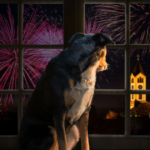
Halloween can be overwhelming for some dogs.
Unfamiliar people, scary masks, children shouting, repeated doorbells and the general excitement of the evening can all be unsettling, particularly for dogs who are nervous around strangers or sensitive to noise.
The best thing you can do is give your dog somewhere they can retreat when they need a break.
Create a quiet, comfortable space with:
- Their favourite bed or blanket.
- Familiar toys or a suitable chew.
- Fresh drinking water.
- A quiet environment away from the front door and busy areas.
- The option to settle without being disturbed.
You could play the television or some gentle background music to help soften the noise from outside.
Let your dog choose whether they want company or some time alone. Don't force them to greet visitors, interact with children in costumes or join in with the celebrations.
If your dog chooses to spend Halloween snoozing somewhere peaceful, that's a perfectly successful Halloween!
🕷️ Watch Out for Spooky Decorations
Fake cobwebs, plastic spiders, hanging skeletons and Halloween ornaments might look harmless, but they can create unexpected hazards for curious dogs.
Some dogs will investigate new objects with their mouths, while others may become tangled in decorations or knock things over with an enthusiastic wag of the tail.
Keep an eye on the following:
- Fake cobwebs and string decorations: Can become tangled around your dog or cause problems if swallowed.
- Small plastic props: Spiders, eyeballs, miniature skeletons and other small items can be choking hazards.
- Glow sticks and glow jewellery: Chewing them can release irritating chemicals, while swallowed plastic pieces may cause further problems.
- Candles and pumpkin lanterns: Can cause burns or fires if knocked over. Battery-operated alternatives are a safer choice.
- Electrical cables and lights: Keep trailing wires and batteries out of reach.
- Decorative pumpkins: Prevent your dog from eating mouldy or rotting pumpkin, which can make them unwell.
Before the Halloween festivities begin, have a quick look around your home from your dog's perspective. If something is within reach and looks tempting to chew, move it somewhere safer.
🚪 Visitors, Doorbells and Trick-or-Treaters
For many households, Halloween means a steady stream of visitors at the front door. For some dogs, this is exciting. For others, it can be stressful.
Unfamiliar people wearing masks or unusual costumes may frighten dogs who don't understand what they're seeing. Repeated knocking and doorbells can also increase excitement or anxiety.
To make things easier:
- Take your dog for a walk before the busiest part of the evening, if appropriate for their needs.
- Keep your dog in a secure, comfortable room away from the front door if visitors are unsettling them.
- Use a secure internal door, suitable baby gate or other appropriate barrier to prevent accidental escapes.
- Make sure visitors know not to approach or disturb your dog if they're resting.
- Never leave your dog unsupervised with children, particularly when everyone is excited.
- Consider leaving trick-or-treat sweets outside or arranging another way to answer the door if your dog struggles with visitors.
Don't assume every dog wants to say hello. Giving them space is often the kindest thing you can do.
🦴 What If Your Dog Is Nervous Around People or Other Dogs?
Halloween isn't just about what happens at home. Walks can also feel different, with people wearing masks, children running around and more activity outside.
If your dog is nervous, shy or easily startled, there's no need to put them in situations they're not comfortable with.
Instead:
- Choose quieter walking routes and times where possible.
- Keep your dog on a lead in public, particularly if they're likely to be startled.
- Give unfamiliar people and dogs plenty of space.
- Avoid forcing greetings or interactions.
- Reward calm behaviour and let your dog move away from anything worrying them.
If your dog seems overwhelmed, it's fine to head home early. A shorter, calmer walk can be more beneficial than pushing through a busy environment.
Remember, every dog is different. What one dog finds exciting, another may find frightening.
🏷️ Check Their ID Tag and Microchip Details
With doors opening more frequently and visitors coming and going, there's an increased opportunity for a dog to slip outside unnoticed.
Before Halloween, take a moment to check that:
- Your dog's collar and ID tag are secure and readable.
- Your contact details on their microchip database are up to date.
- Doors, gates and garden boundaries are secure.
- Everyone in the household knows how to keep your dog safely away from the front door.
A little preparation can make a big difference if your dog ever does get out unexpectedly.
🚨 What Should You Do If Your Dog Eats Something Toxic?
Accidents can happen, even when you're careful. If you think your dog has eaten chocolate, a sweet containing xylitol, raisins or another potentially toxic substance, contact your vet immediately for advice. Don't wait for symptoms to appear.
You should also seek veterinary advice if your dog swallows a potentially dangerous decoration or part of a costume.
If possible, keep the packaging and make a note of:
- What your dog has eaten.
- How much they may have eaten.
- When it happened.
- Your dog's approximate weight.
This information can help your vet assess the situation.
Don't try to make your dog vomit or give home remedies unless a veterinary professional specifically instructs you to do so.
In the UK, you can also contact Animal PoisonLine on 01202 509000 for specialist advice about potential poisoning. Charges may apply. Your vet should remain your first point of contact for urgent treatment.
Happy Howl-O-Ween from Smith's Canine Club!
Halloween can be a fun time for the family, and with a little preparation, your dog can enjoy the season safely too.
Remember, they don't need a costume, a party or a house full of visitors to have a good time. Sometimes the happiest Halloween is a tasty dog-safe treat, a familiar bed and a peaceful evening snoozing away from the spooky goings-on.
From all of us at Smith's Canine Club, we wish you and your four-legged friends a safe and happy Howl-O-Ween!
Happy dogs. Safe paws. Spooky fun. 🎃🐾